In the Heart of Gujarat, For the Hearts of the World,
Together at HFAI 2026
Together at HFAI 2026
please wait...
India's First UNESCO World Heritage City — Alive with History and Heart
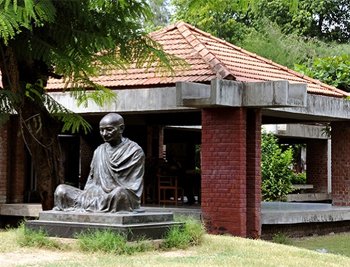
Established by Mahatma Gandhi in 1917, the Sabarmati Ashram served as his residence and the base for India’s freedom movement. It is a serene and inspiring space showcasing Gandhi’s life, philosophy, and legacy.
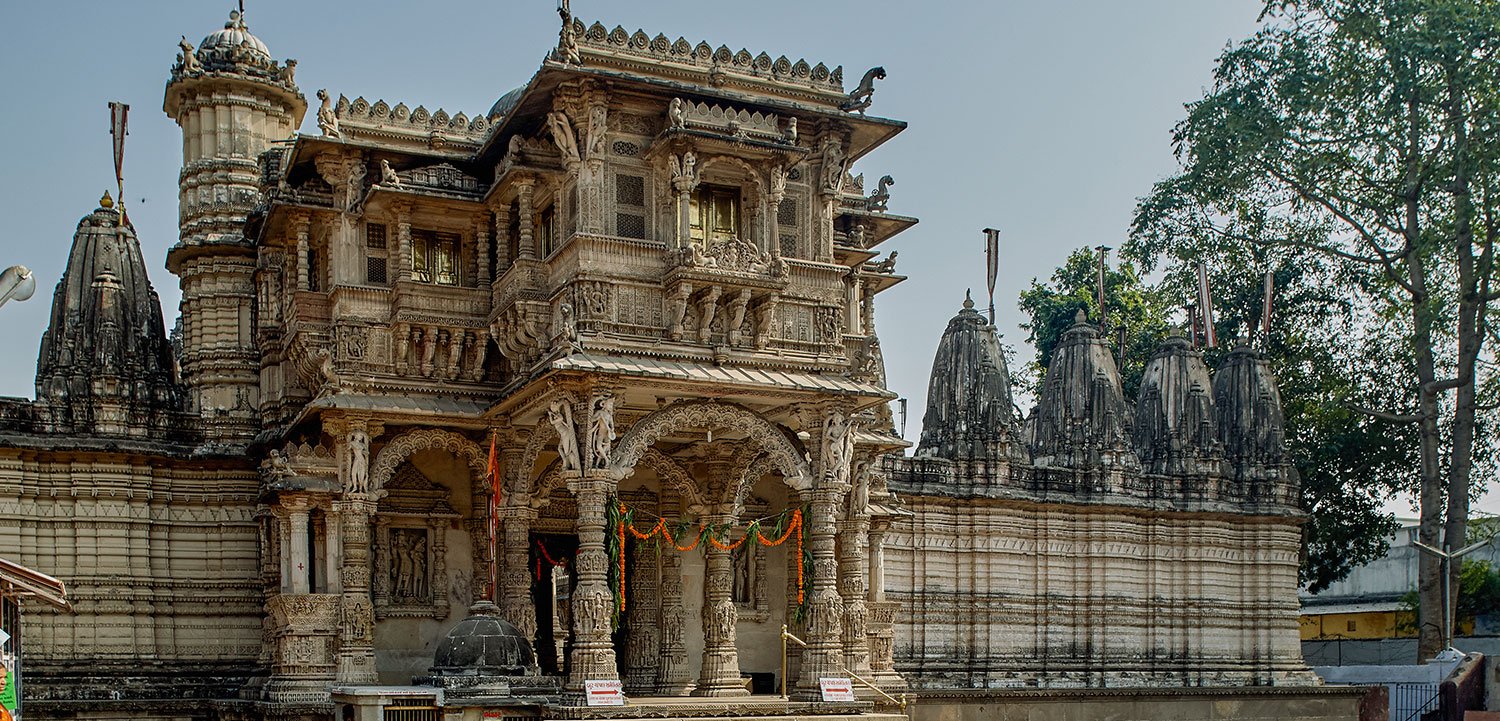
Constructed in 1848, this marble temple is a stunning example of Jain craftsmanship and devotion, dedicated to the 15th Jain Tirthankar, Lord Dharmanath. The detailed carvings and tranquil setting make it a must-visit.
A modern pedestrian-only bridge on the Sabarmati Riverfront, Atal Bridge is celebrated for its colorful design and panoramic river views. It connects the east and west banks and glows beautifully at night.

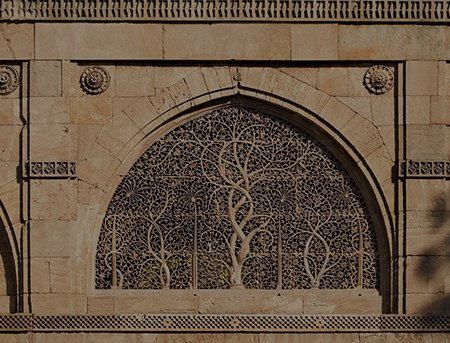
Built in 1573, this mosque is world-renowned for its intricate stone lattice work — especially the “Tree of Life” window, an enduring symbol of Ahmedabad’s artistic heritage.
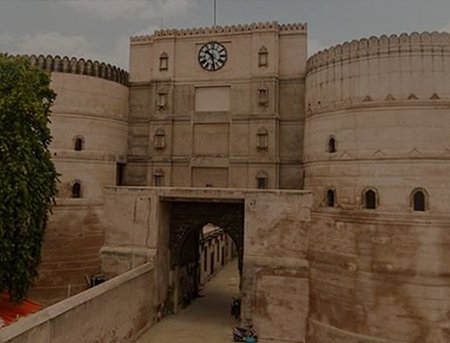
Built in 1411 by Sultan Ahmad Shah, the founder of Ahmedabad, this majestic fort complex houses palaces, gates, mosques, and a temple, blending history with vibrant street life.
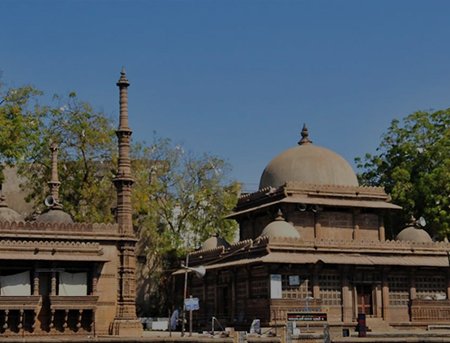
Built in 1514, this elegant structure, also called the Masjid-e-Nagira, combines Hindu and Islamic design elements — a testament to Ahmedabad’s cultural harmony.
This ancient temple dedicated to Lord Jagannath is the site of the famous annual Rath Yatra of Ahmedabad, drawing thousands of devotees each year.
.jpg)
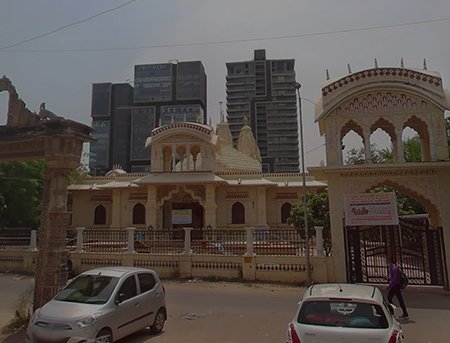
A grand Krishna temple on SG Highway, ISKCON Ahmedabad is known for its peaceful atmosphere, beautiful architecture, and devotional chanting.
A scenic urban space along the Sabarmati River featuring gardens, cycling tracks, boating, and cultural events. It’s a perfect place for a peaceful evening stroll.
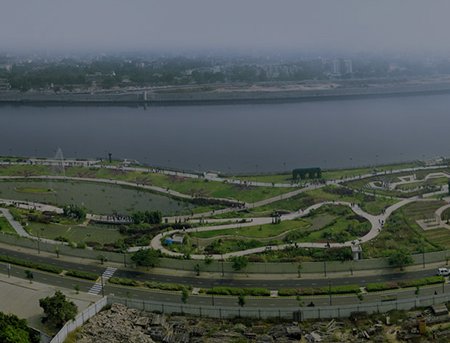

One of the city’s largest and most vibrant recreation spots, featuring a zoo, toy train, amusement rides, and musical fountain — ideal for families and tourists.
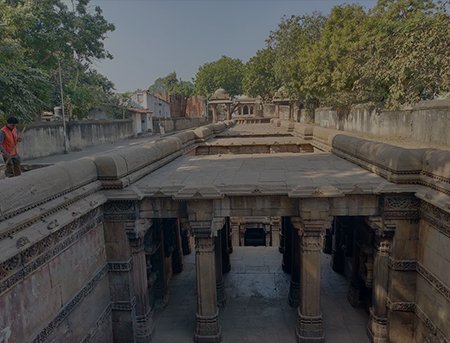
This 15th-century stepwell is an underground architectural wonder adorned with elaborate stone carvings, offering cool respite and historical intrigue.